
"MAM blend"
100 article(s) found

Who is suitable for Columbia Coffee? introduction to the History of Starbucks via Columbia Coffee Story
For more information on coffee beans, please follow the Coffee Workshop (official Wechat account cafe_style) Colombia is the second largest producer of coffee and the largest exporter of Arabica beans. This coffee is full-bodied and sweet with caramel. The taste is gentle and the lingering finish is like a gentleman in coffee. Moderate rules are the best choice for light coffee.

Description of Flavor of Colombian Huilan Coffee beans with Fruit Flavor introduction to the producing areas of Grinding scale varieties
Colombia is the second largest coffee producer in the world, accounting for 12% of the world's total output. Although it ranks lower than Brazil, its coffee beans are of good quality. Coffee trees are planted in the highlands and cultivated in small areas. Carefully harvested and processed by washing, the coffee produced is of good quality and fragrance, no matter it is a single drink or a mixture. The main variety is Supremo Colomb.

Flavor description of Colombian coffee beans introduction to the characteristics of varieties and producing areas
The flavor description of Colombian coffee beans the characteristics of varieties producing regions introduce Colombia as the world's second largest coffee producer, accounting for 12% of the world's total output, although ranked lower than Brazil, but its coffee beans are of good quality. Coffee trees are planted in the highlands and cultivated in small areas. Carefully harvested and processed with water washing, the coffee produced is of good quality and fragrance, no matter it is single.

Introduction to Fine Coffee with rich flavor and taste in Lazmus Manor, Colombia
In 1501, the Spaniard R.de Bastidas first reached the northern coast of Colombia and founded the city of Santa Marta in 1525. In 1533, P.de Eredia established Cartagena. In 1535, G. Simone de Xada led the Spanish colonial army into the interior of Colombia, conquered the Chibucha, established the city of Bogota, and Colombia became a Spanish colony. At the beginning

Coffee in South America
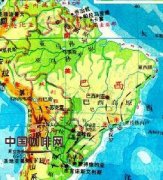
[Colombia] is the world's second-largest coffee producer, accounting for about 12% of the world's annual production, although much lower than the 30 to 35% of Brazil, most of which are high-quality alpine washed beans. Central Colombia is divided into several valleys by three north-south vertical mountains, of which the central and eastern mountains are the main coffee producing areas. Coffee here is named after the market of distribution,

Coffee History of South America
[Colombia] is the world's second-largest coffee producer, accounting for about 12% of the world's annual production, although much lower than the 30 to 35% of Brazil, most of which are high-quality alpine washed beans. Central Colombia is divided into several valleys by three north-south vertical mountains, of which the central and eastern mountains are the main coffee producing areas. Coffee here is named after the market of distribution,
History of Coffee in South America
[Colombia] is the world's second-largest coffee producer, accounting for about 12% of the world's annual output, which is much lower than Brazil's 30% to 35%, but most of them are high-quality mountain-washed beans. Central Colombia is divided into valleys by three north-south longitudinal mountains, of which the central and eastern mountains are the main coffee producing areas. The coffee here is named after the distributed market

Basic knowledge of Fine Coffee in South America
[Colombia] is the world's second-largest coffee producer, accounting for about 12% of the world's annual output, which is much lower than Brazil's 30% to 35%, but most of them are high-quality mountain-washed beans. Central Colombia is divided into valleys by three north-south longitudinal mountains, of which the central and eastern mountains are the main coffee producing areas. The coffee here is named after the distributed market
South American coffee history boutique coffee bean species
[Colombia] is the world's second-largest coffee producer, accounting for about 12% of the world's annual output, which is much lower than Brazil's 30% to 35%, but most of them are high-quality mountain-washed beans. Central Colombia is divided into valleys by three north-south longitudinal mountains, of which the central and eastern mountains are the main coffee producing areas. The coffee here is named after the distributed market

Amber Coffee, synonymous with Chinese High quality Coffee
Cuba Cubita in 1748, coffee was introduced to Cuba from Dominica, and Cuba began to grow coffee ever since. The coffee beans selected by the Cuban Cubita are Arabica varieties grown in the Crystal Mountains of Cuba, which are produced and used by the farmers themselves, so it is considered to be a higher and better quality coffee. It uses 100% Cuban Arabica water to wash green coffee beans, its aroma

Introduction to the Origin and Culture of Coffee beans
● Colombia produces coffee second only to Brazil, accounting for 12% of the world's total production. Although it ranks lower than Brazil, its coffee beans are of good quality. Coffee trees are planted in the highlands and cultivated in small areas. After careful harvest and wet processing, the coffee produced is beautiful in quality, rich in flavor and unique in flavor, whether it is single drink or mixed.

The Cultural History of Coffee in South America
[Colombia] is the world's second-largest coffee producer, accounting for about 12% of the world's annual output, which is much lower than Brazil's 30% to 35%, but most of them are high-quality mountain-washed beans. Central Colombia is divided into valleys by three north-south longitudinal mountains, of which the central and eastern mountains are the main coffee producing areas. The coffee here is named after the distributed market

Basic knowledge of Fine Coffee Coffee History of South America
[Colombia] is the world's second-largest coffee producer, accounting for about 12% of the world's annual output, which is much lower than Brazil's 30% to 35%, but most of them are high-quality mountain-washed beans. Central Colombia is divided into valleys by three north-south longitudinal mountains, of which the central and eastern mountains are the main coffee producing areas. The coffee here is named after the distributed market

The Development of Coffee beans Coffee History of South America
[Colombia] is the world's second-largest coffee producer, accounting for about 12% of the world's annual output, which is much lower than Brazil's 30% to 35%, but most of them are high-quality mountain-washed beans. Central Colombia is divided into valleys by three north-south longitudinal mountains, of which the central and eastern mountains are the main coffee producing areas. The coffee here is named after the distributed market
Basic knowledge of boutique coffee introduction to coffee in South America
[Colombia] is the world's second-largest coffee producer, accounting for about 12% of the world's annual output, which is much lower than Brazil's 30% to 35%, but most of them are high-quality mountain-washed beans. Central Colombia is divided into valleys by three north-south longitudinal mountains, of which the central and eastern mountains are the main coffee producing areas. The coffee here is named after the distributed market
The History and Culture of Fine Coffee Coffee History of South America
[Colombia] is the world's second-largest coffee producer, accounting for about 12% of the world's annual output, which is much lower than Brazil's 30% to 35%, but most of them are high-quality mountain-washed beans. Central Colombia is divided into valleys by three north-south longitudinal mountains, of which the central and eastern mountains are the main coffee producing areas. The coffee here is named after the distributed market

Introduction to the flavor and taste characteristics of Colombian coffee manor, the second largest coffee producing area in the world.
The northern Sierra Nevada producing area is one of the high quality producing areas in Colombia, and the Santa Marta Snow Mountains is one of the few snowy mountains on the equator, and its caffeine is famous for its distinctive characteristics and high quality standards. The unique climate, abundant precipitation, cloud cover and shade planting make the coffee here full-bodied and nutty.

A brief introduction to the treatment method of grinding degree and baking degree of Colombian Huilan boutique coffee beans with fruit flavor
Colombian, Colombia: Huilan Variety: Caturra treatment: water washing flavor: full of acid, caramel, sweet nuts, chocolate, red wine flavor, admirable fruit flavor. Palate: full viscosity, caramel sweetness, supple and pleasant fruit acid. Baking degree: medium and deep baked Columbia Huilan (Colombia huila): located in Colombia

Rich aroma Columbia Coffee Manor Flavor and Taste characteristics of Fine Coffee beans
Colombian Coffee-produced in Colombia, roasted coffee beans emit sweet aromas, with sweet acidity and moderate bitterness, and are often used in high-grade blended coffee because of the right concentration. Colombian coffee has a bitter experience, clear and astringent as life, but bitterness is necessary in life, and the last fragrance that stops at the root of the tongue is

Introduction to the origin of coffee in Colombia | Colombia-the third coffee producer in the world
Colombian coffee reviews tend to think that it is moderately mellow, rich in taste and citrus-like acidity. The best coffee in Colombia is typical of the mild fruit flavor of Latin America, though not the almost fermented fruit flavor. The country grows a lot of coffee (Colombia grew nearly 10% of the world's coffee in 2015), which means these high-quality Arabica coffee beans